

In the grand mythology of modern cinema, few objects have carried as much emotional weight—or inspired as much cultural debate—as a single, ornately carved piece of wood. Now, nearly three decades after Titanic first swept audiences into its icy romance, the most talked-about prop in Hollywood history has resurfaced, taking center stage at the Titanic Museum Attraction in Branson, Missouri.
Opening February 3, the new display places the famed eight-foot balsa wood panel—forever immortalized as the door—under a reverent spotlight. It is the object that buoyed Rose DeWitt Bukater through the film’s devastating final moments, and the one that left Jack Dawson slipping beneath the Atlantic, a sacrifice etched into cinematic memory. Ever since James Cameron’s 1997 masterpiece claimed its place in history, audiences have returned to the same question with almost ritual devotion: could Jack have fit, too?
Here, visitors are invited to decide for themselves.

Titanic Museum Attractions in Branson, Missouri and Pigeon Forge, Tennessee open daily at 9 a.m. Reservations are required and can be made online at www.titanicattraction.com
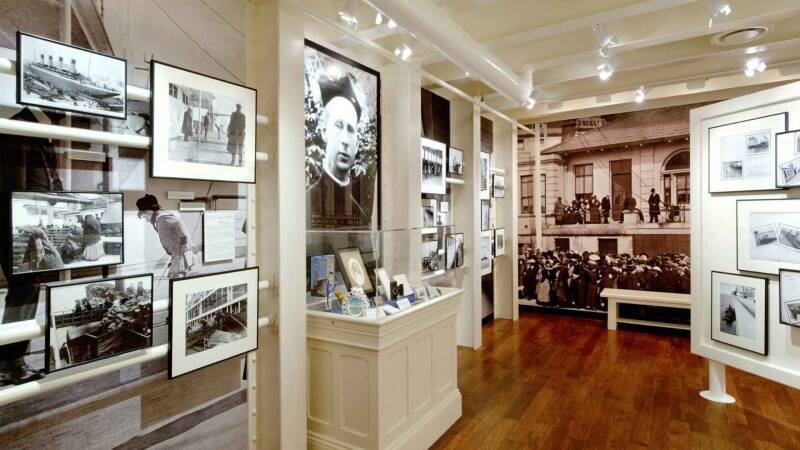

More than a prop, the panel has become a character in its own right—an emblem of love, loss, and the fine line between survival and surrender. Crafted to echo the most famous piece of debris recovered from the actual 1912 disaster, the carved panel closely resembles the Louis XV–style woodwork preserved today at the Maritime Museum of the Atlantic in Halifax, Nova Scotia. Cameron, known for his meticulous research, frequently visited the museum while developing the film, drawing inspiration from the artifact that would ultimately anchor one of cinema’s most haunting finales.
The Branson installation, debuting during the attraction’s 20th anniversary season in 2026, expands beyond the door itself into a richly layered homage to the film’s enduring legacy. On display are original wardrobe pieces worn by Kate Winslet as Rose—including one of the now-iconic “sinking dresses”—alongside Cal Hockley’s imposing coat and the lifejacket worn by Winslet in the film, signed by the Oscar-winning actress. Completing the tableau is the violin featured in the movie’s most poignant scenes, autographed by the principal cast, director James Cameron, and Céline Dion—whose voice became inseparable from the film’s emotional heartbeat.
This singular artifact joins more than 400 pieces housed at the Titanic Museum Attraction, one of the world’s largest permanent collections dedicated to the ill-fated liner. Acquired at Heritage Auctions’ Treasures from Planet Hollywood, where it emerged as the highest-selling item among 1,600 iconic costumes and props, the panel spent nearly two decades in storage before reclaiming its place in the public imagination. Most recently, it was exhibited in Pigeon Forge, Tennessee, where the film tribute earned Runner-up for Best New Attraction of 2026 from USA Today’s 10Best.
For museum officials, the display represents more than spectacle—it is an invitation into a shared cultural memory.
“Being able to share this highly treasured movie prop used in the Titanic film with our guests is very exciting,” says Sean Skehan, general manager of the Titanic Museum Attraction in Branson. “It’s such an iconic part of the film’s history and popularity, and it gives fans a rare opportunity to experience this moment up close.”

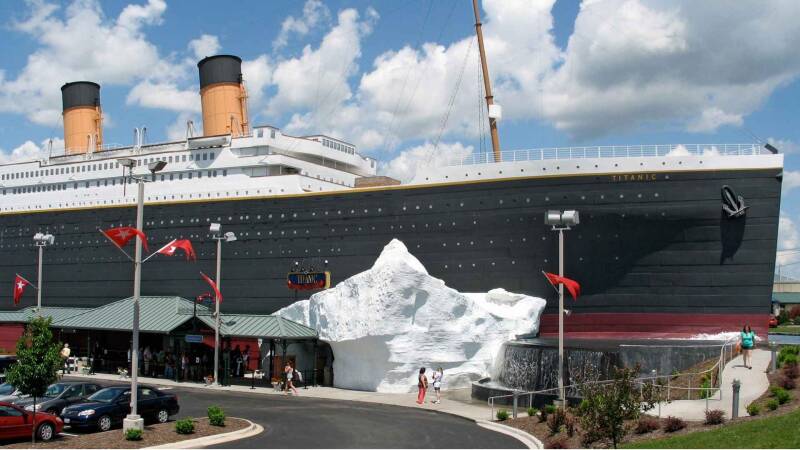
Open daily at 9 a.m. in both Branson, Missouri, and Pigeon Forge, Tennessee, the Titanic Museum Attraction offers a self-guided journey through recreated spaces of the ship, including the legendary Grand Staircase, alongside hundreds of genuine artifacts from the vessel and its passengers. At its core, the experience remains deeply human—honoring the lives lost in April 1912 while tracing the ways their story continues to echo through art, fashion, film, and collective memory.
And now, floating once more in the spotlight, the door awaits—still silent, still beautiful, still asking the question the world refuses to let go.